

Perfectly Imperfect – Flaws, Blemishes and Defects, Picture Books: illustrated & staged, Tattoo, No Name Design, Oh, Plastic Bag!, Bike I Design I City or Feathers – warm, seduce, fly: Located in the heart of Winterthur's old town, the ...
Before attending, double-check the required language skills on the organizer's website.
Mining Photography. The ecological footprint of image production
Exhibition with programme of events
How sustainable is photography? Since its invention, it has depended on the extraction and exploitation of natural raw materials. In the 19th century, it was salt, copper and silver that were used for the first photographs on copper plates and for salt paper prints. After the advent of silver gelatin prints, the photographic industry became the most important consumer of silver in the late 20th century, accounting for over half of global consumption.
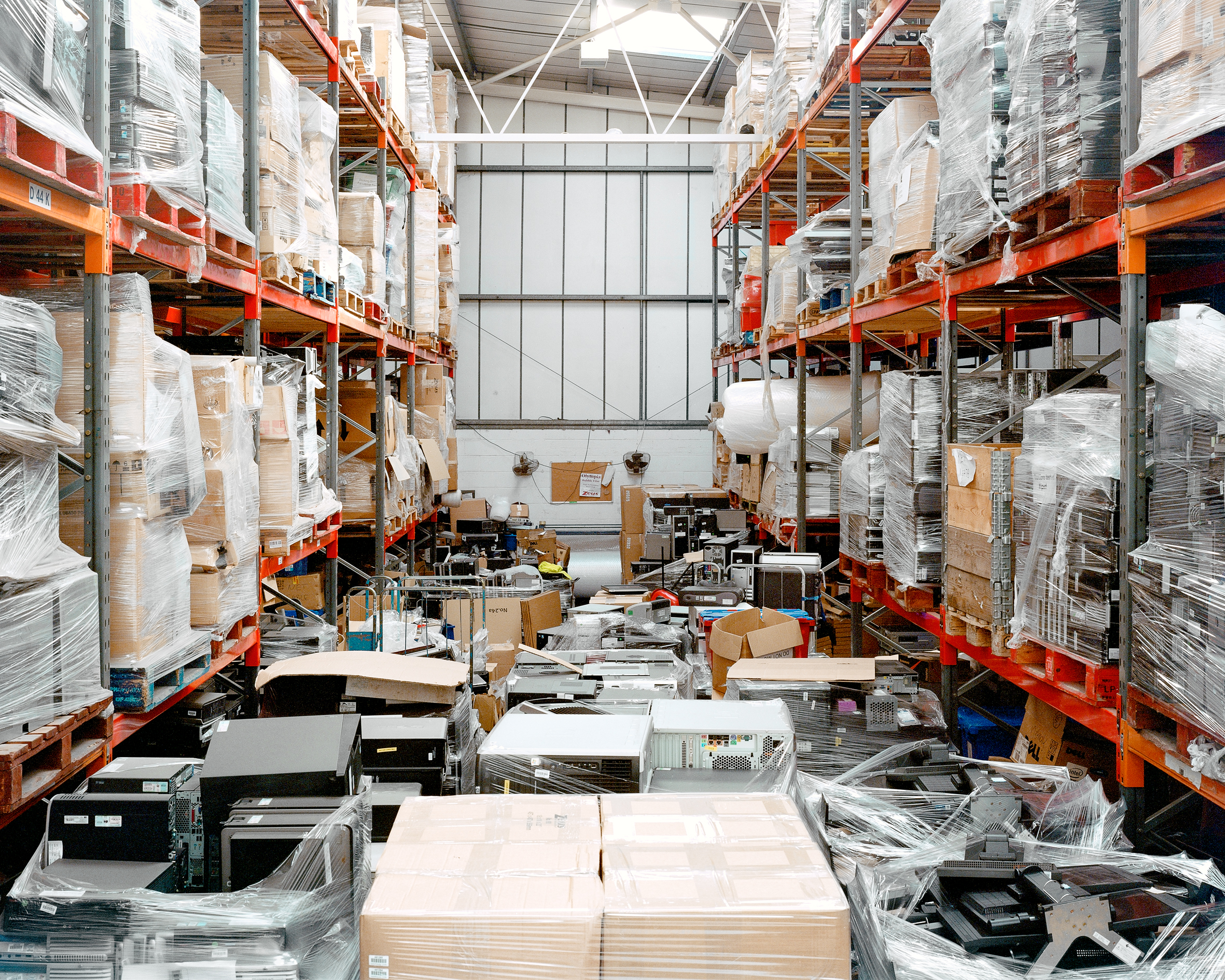
In the age of digital photography and smartphones, image production relies on metals such as cobalt and coltan, as well as those of the rare earths. Storing the images and distributing them also produces large amounts of CO2.
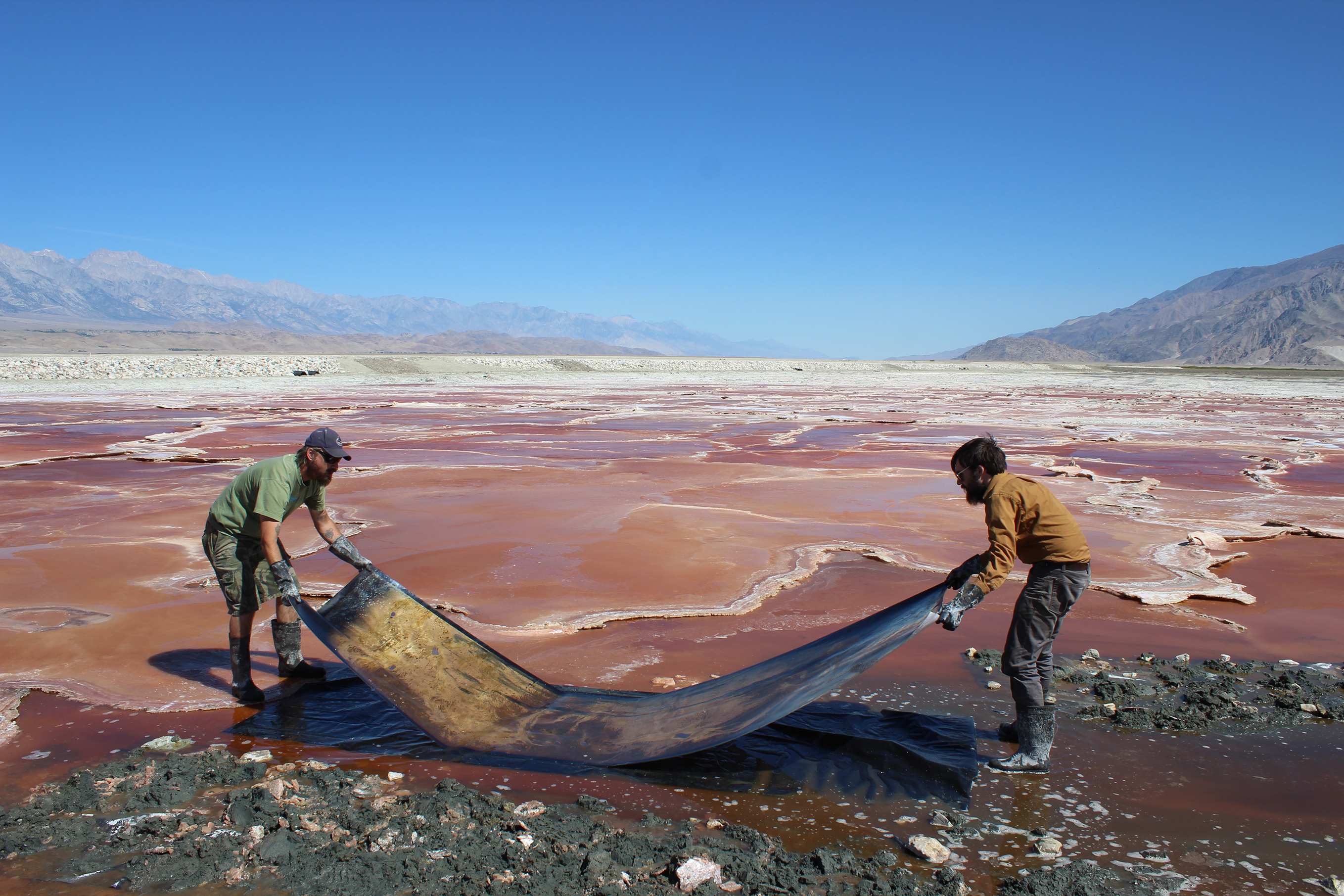
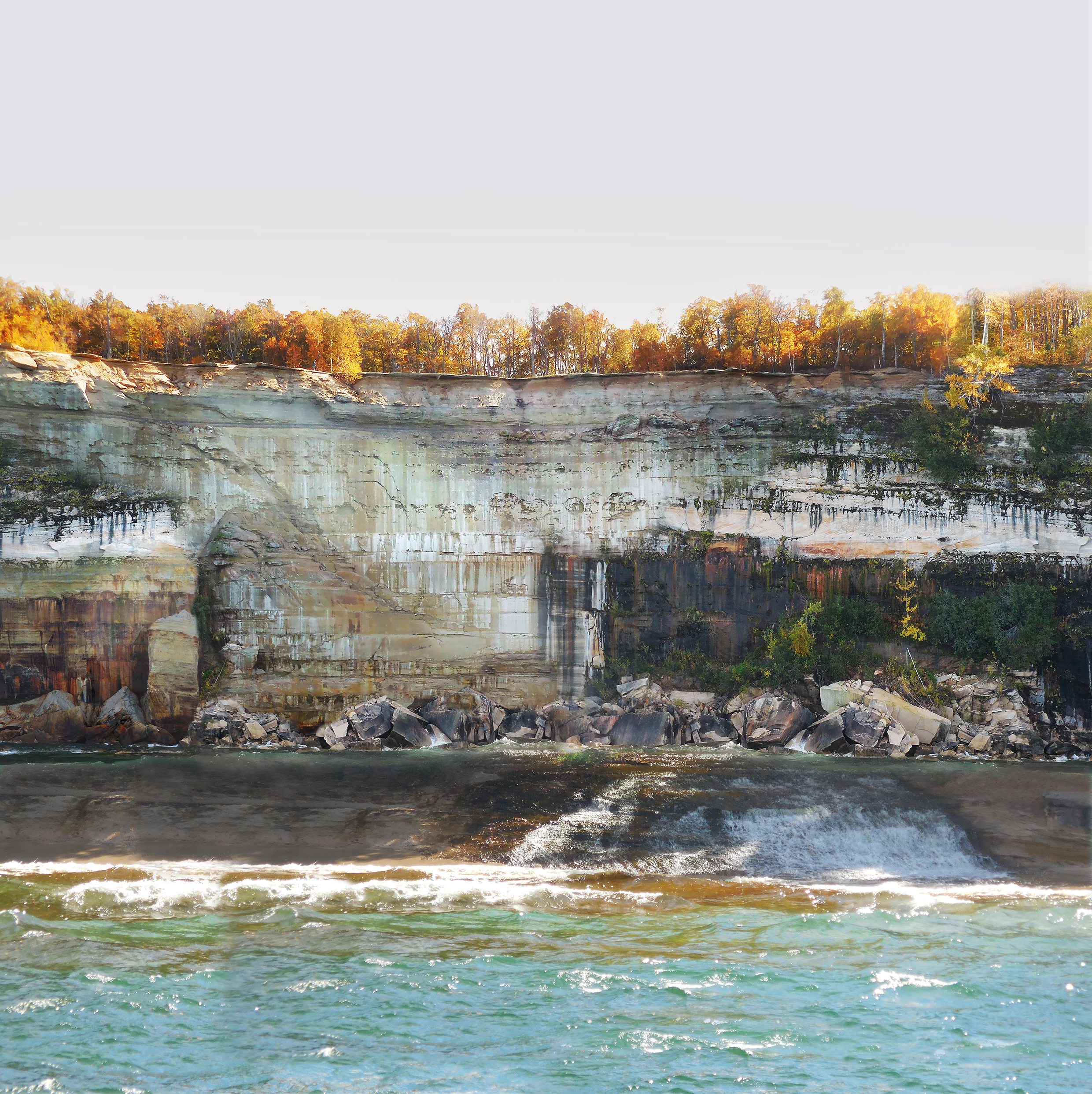
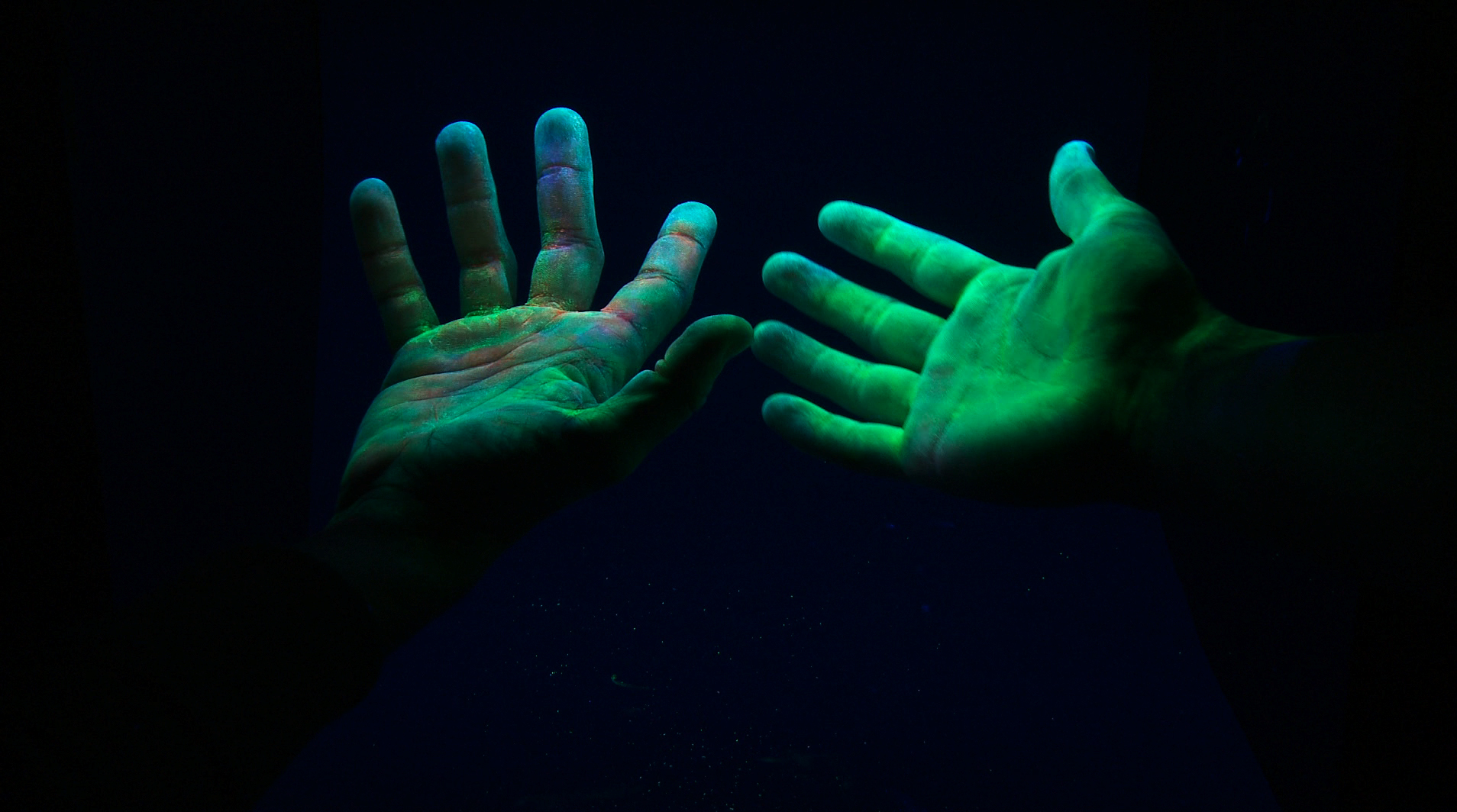
"Mining Photography" is dedicated to the material history of raw materials that are central to photography and establishes the connection to the history of their extraction, disposal and climate change.
On the basis of around 170 works - contemporary artistic positions, historical photographs, material samples and interviews with experts - the exhibition "Mining Photography" tells a story in five chapters:
- Copper, gold and the daguerreotype
- Fossil fuels such as coal and bitumen for the printing processes
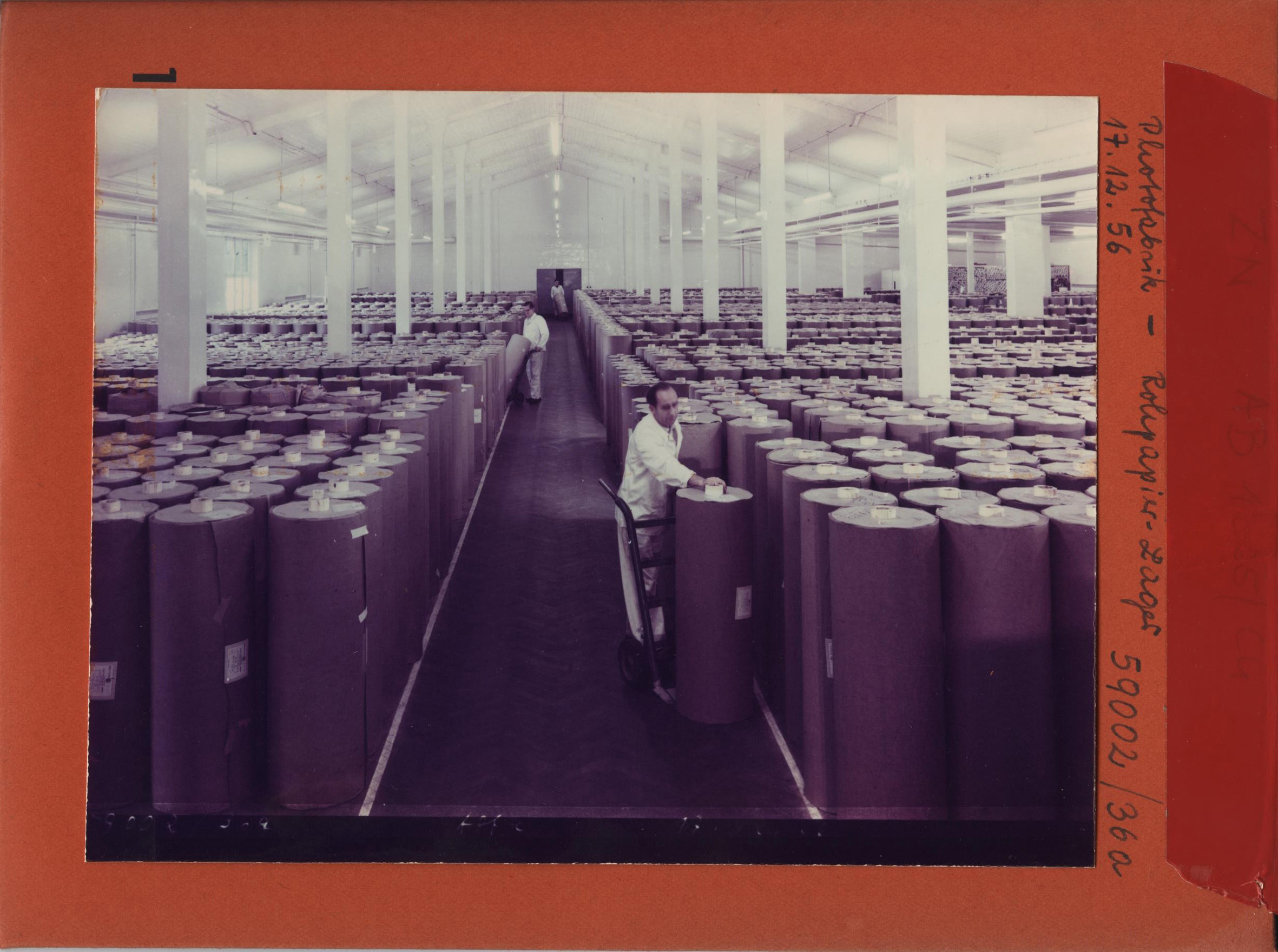
- Silver for the widespread silver gelatine prints in the 20th century
- Fossil fuels such as coal and bitumen for the printing processes
- Silver for the widespread silver gelatine prints in the 20th century. Century
- The substrate paper and its coating
- The weight of the cloud - rare earth metals, metals, energy and waste for ever smaller cameras and smartphones
An exhibition of the Museum für Kunst und Gewerbe Hamburg, in cooperation with Kunst Haus Wien and Gewerbemuseum Winterthur.
To this organizer's website
Free admission for children and young people up to 16 years.
Ignacio Acosta, Lisa Barnard, Hermann Biow, F & D Cartier, Oscar and Theodor Hofmeister, Susanne Kriemann, Jürgen Friedrich Mahrt, Mary Mattingly, Daphné Nan Le Sergent, Optics Division of the Metabolic Studio (Lauren Bon, Tristan Duke and Richard Nielsen), Madame d'Ora, Lisa Rave, Hermann Reichling, Alison Rossiter, Eugenio Schmidhauser, Robert Smithson, Anaïs Tondeur, James Welling, Tobias Zielony
Gewerbemuseum Winterthur
Kirchplatz 14
8400 Winterthur
+41 (0)52 267 51 36
gewerbemuseum@win.ch
Opening hours:
Dienstag, Mittwoch, Freitag, Samstag, Sonntag: 10:00 - 17:00
Donnerstag: 10:00 - 20:00
Montag: geschlossen
Accessibility:


Infos Zugänglichkeit:
Barrierefreier Zugang ins Museum. Lift in die oberen Etagen zu den Ausstellungsräumen. Rollstuhlgängige Toilette. Hauseigener Rollstuhl kann am Museumsempfang ausgeliehen werden.
