Change of perspective

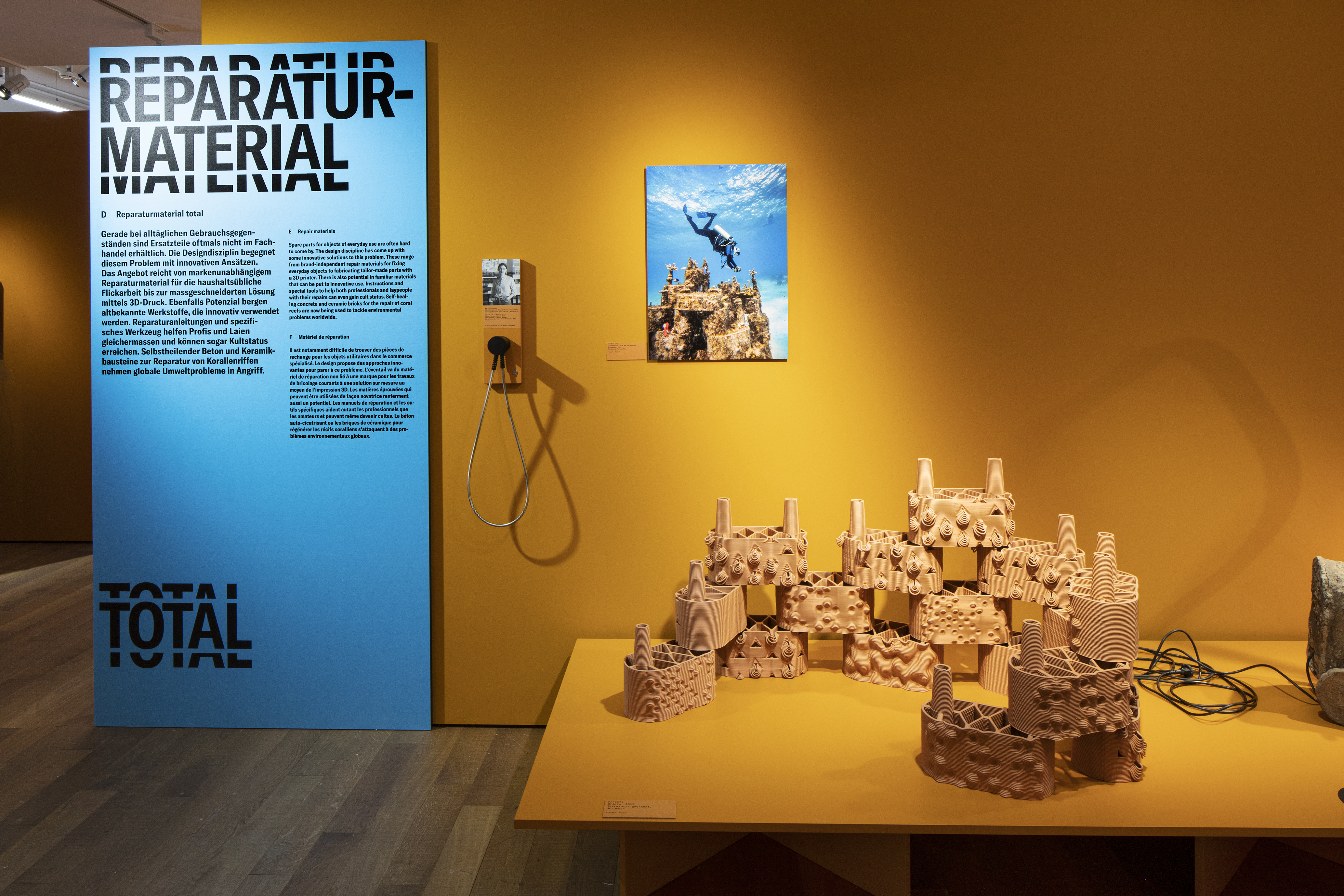
The exhibition "Repair Revolution!" at the Museum für Gestaltung Zurich provides instructive input on the subject of repair. The public is also allowed to actively participate.

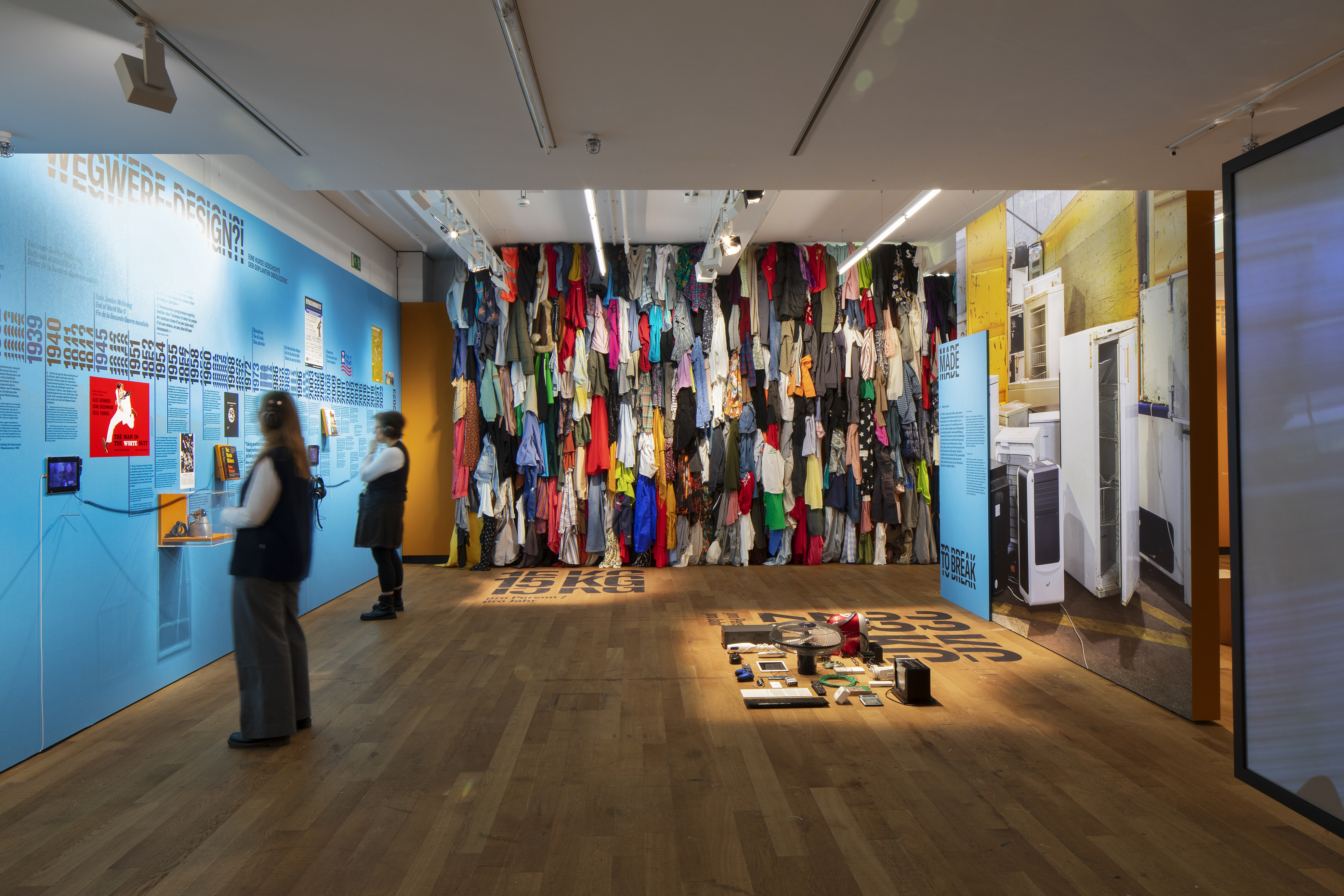
Design is political. But because we see design objects primarily as consumer goods, this statement sounds a little strange at first. If we take a closer look and direct our gaze to the before and after of a product, i.e. to its design, manufacture and disposal, a somewhat different picture emerges. And this suddenly no longer fits into an apolitical and hedonistic view. The afterlife of objects alone makes this clear: Swiss people dispose of 15 kilograms of clothes and 23 kilograms of electronic waste per year and per capita. Our country ranks third in the world in the production of electronic waste - bronze, after all.

But joking aside. The topic of waste production shows that we also tend to dispose of problems. We usually throw broken things away. Many of them end up in illegal dumps outside our country, mostly in the global south. For example, the world's largest electronic waste dump in Agbogbloshie, a district of the metropolis of Accra. Never heard of it? Then it's high time to visit the exhibition "Repair Revolution!

There we learn, for example, where our broken and seemingly irreparable electronic devices go. A film and a pavilion specially developed for the show take us to this faraway place in Ghana, West Africa. It is very revealing, the example presents the other side of our consumerist turbo-capitalism, so to speak. Paradoxically, this dump is a place that generates another form of economy. On the scrap heaps of Agbogbloshie, people search daily for valuable materials to trade. Improving the conditions of these workers is the aim of the Agbogbloshie Makerspace Platform (AMP), launched by the Low Design Office (LOWDO) in collaboration with French architect Yasmin Abbas. The project transforms the toxic landfill into a place of knowledge exchange. At the same time, it stands for a new model of microeconomic ecosystems, or rather for a radical rethinking.

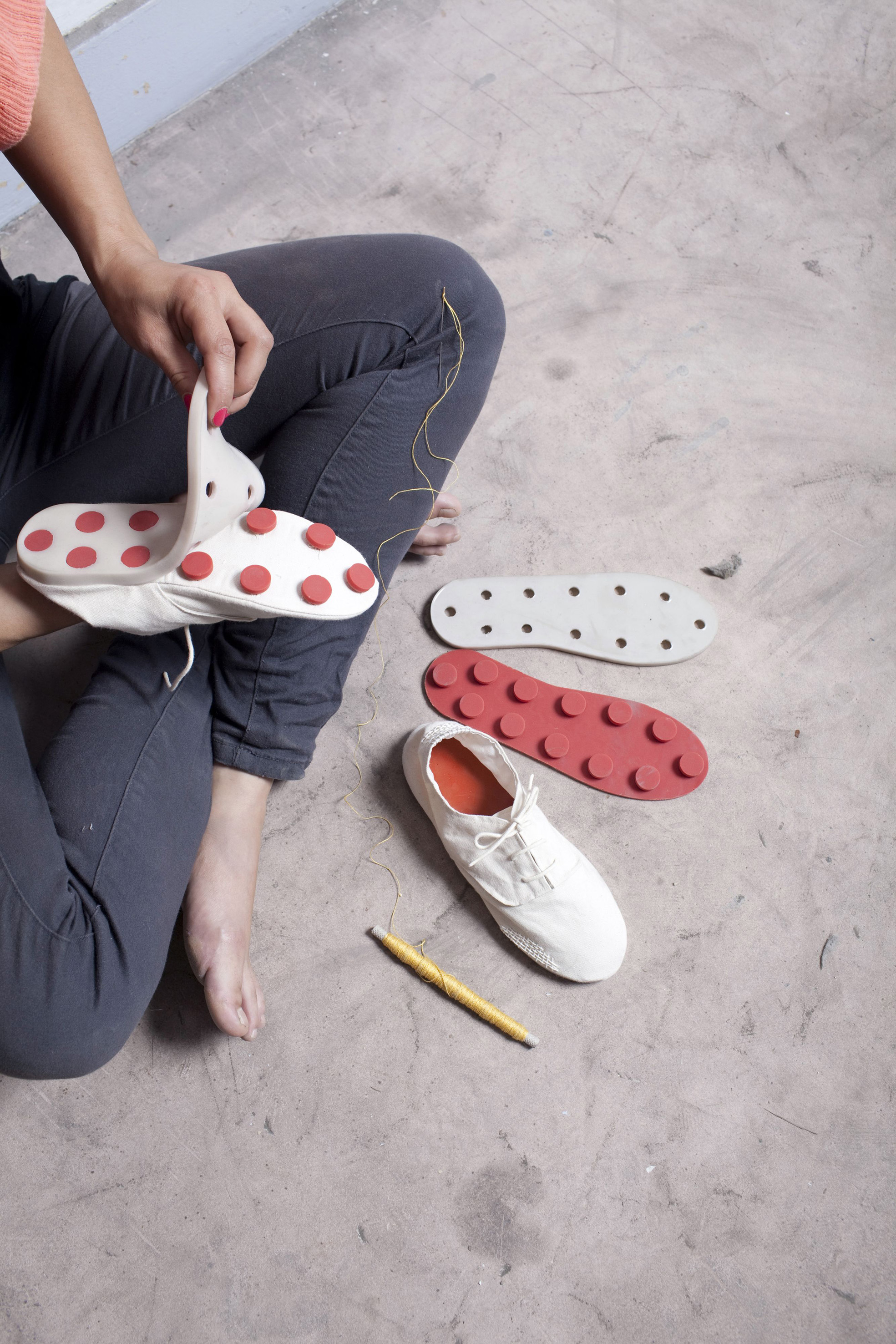
This is precisely what the show at the Museum für Gestaltung Zurich wants to inspire. That it also makes a statement is indicated by the signal orange colour of the walls and the exclamation mark behind the title. Because in view of the climate and environmental crisis, we urgently (!) need new patterns of action and alternatives. And these already exist, as "Repair Revolution!" proves with many positive examples. But the exhibition also shows how the practice of repairing has lost importance in our latitudes. What used to be common practice in this country (still) takes place too little nowadays. On the one hand, because we lack the necessary knowledge, and on the other hand, because products are designed to break as quickly as possible. So it is not only consumers who are to blame for the current problems, but also manufacturers and designers. Activists around the world are therefore calling for a right to repair to be enshrined in law, sometimes with success. Which brings us back to the topic of politics.

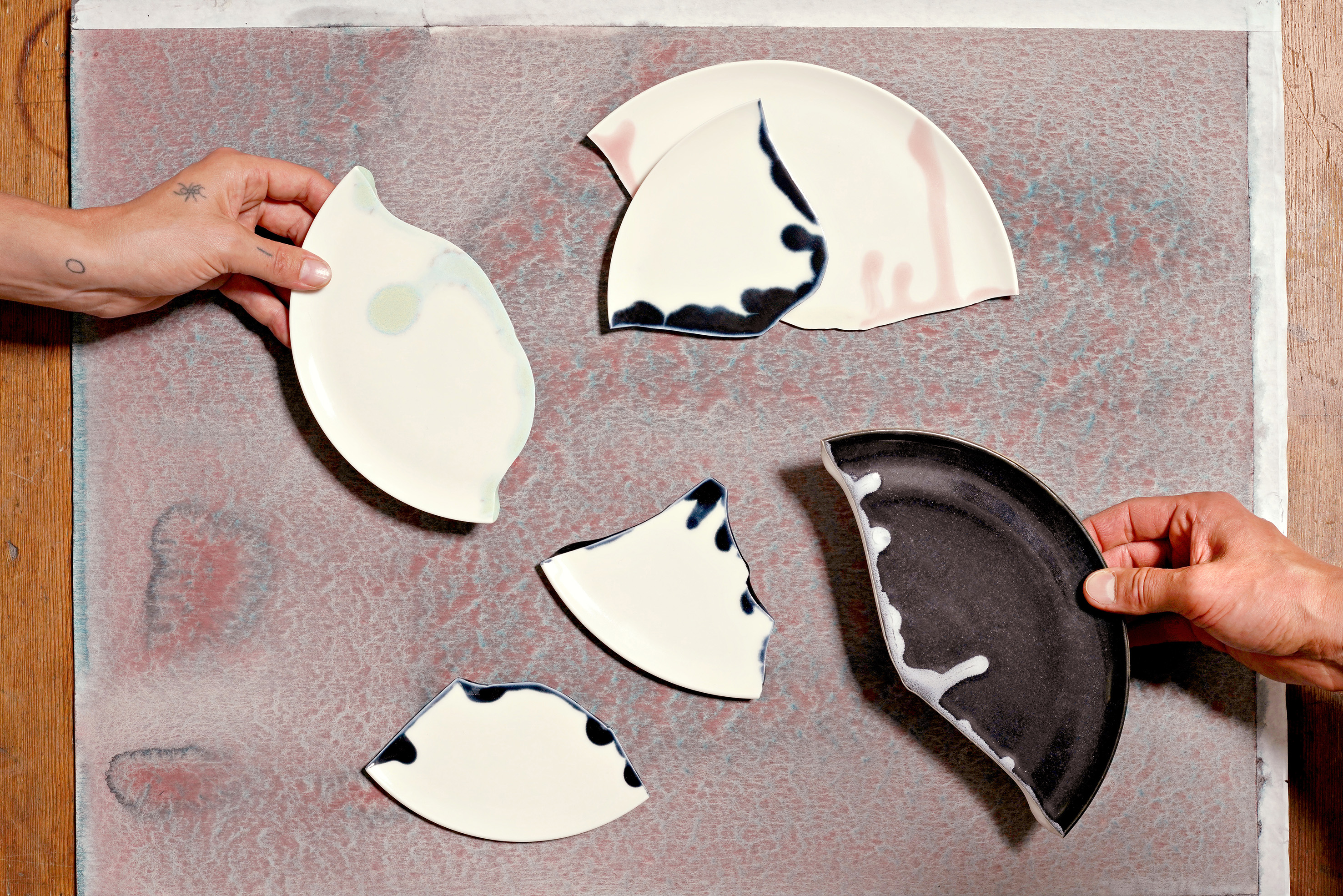
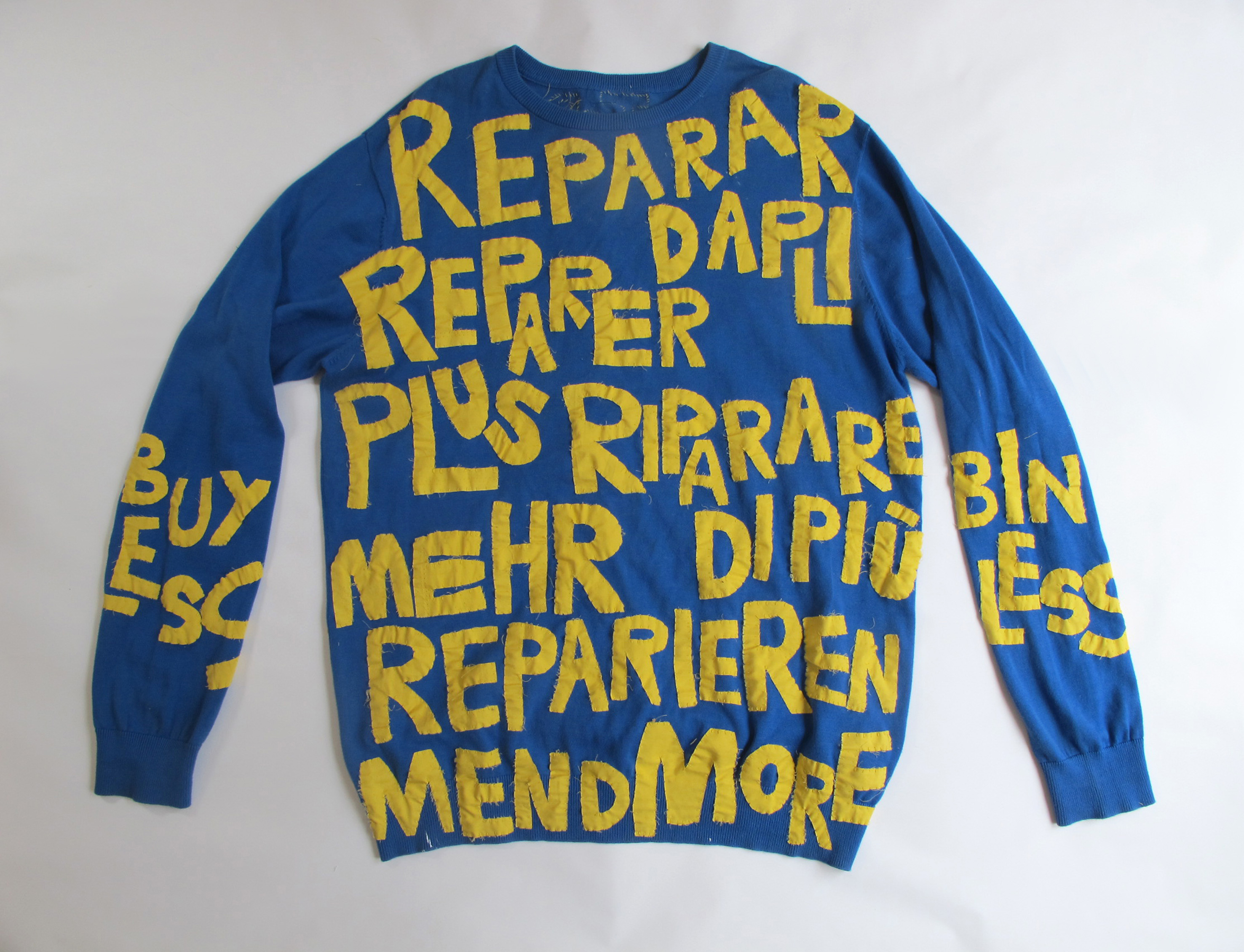
In addition to the urgency of the issue, the successful show also illustrates that habits are social in nature. How we perceive something changes depending on context and culture. In modern, western society, new is generally considered good, while old and patched-up things tend to be viewed with scepticism. This was not always the case. But now the success of repair workshops points to a renewed change of perspective. And contemporary designers are also increasingly turning to the "patchwork aesthetic". For example, the ceramist Ursula Vogel, who proves with her brand "goodlife ceramics" how beautiful even damaged objects can be. Together with her clientele from the high-end culinary world, she mends broken crockery in workshops and thus gives the pieces a new life. Visitors to the exhibition also learn that in other cultures, mended objects are even more important than new ones. In Japan, for example, objects repaired with the Kintsugi technique are considered particularly valuable.

In addition to the many exhibits, there are also audio stations that tell stories about repairing. It is precisely such stories that lay the foundation for processes of change. These must take place on many levels, so the actions and ideas of all people, including the visitors, are needed. Podiums, exhibitions and workshops contribute to spreading the good news. There are already enough horror scenarios; formats like "Repair Revolution!" contribute to a positive assessment of the wisdom of repairing.

Repair Revolution!

Museum für Gestaltung Zürich

Repair Revolution!

The exhibition presents the vision of a repair society and examines the role that design plays on the way there.

Permanent exhibition

Published from Susanna Koeberle on April 13, 2023.

More from our scouts

"We dance cumbia before we go on stage"
25.04.2024

"We dance cumbia before we go on stage"

The brothers Georg and Christoph Kiss interpret jazz as Okvsho in a fresh, free and contemporary way that is otherwise only known from London or LA.

Adrian Schräder
Adrian Schräder
Culture in Zurich can also be cheap
21.03.2024

Culture in Zurich can also be cheap

Here are our tips for free exhibitions, inexpensive theatre evenings and various other inexpensive amusements.

Frank Wendler
Frank Wendler
My first time ... at Xenix
14.03.2024

My first time ... at Xenix

In the heart of Zurich lies the Xenix, a gem of cinema culture - a meeting place for film enthusiasts and a haven for niche films.

Severin Miszkiewicz
Severin Miszkiewicz

More from your scouts

Sandra Smolcic
Sandra Smolcic
Kyros Kikos
Kyros Kikos
Eva Cabañas
Eva Cabañas
Ilir Pinto
Ilir Pinto
Viviane L. Tuvera
Viviane L. Tuvera
Andrea Keller
Andrea Keller
All scouts