Threat to the system

An exhibition at Zurich's Strauhof Literature Museum takes a look at books that were - or are - banned, burned or otherwise opposed.
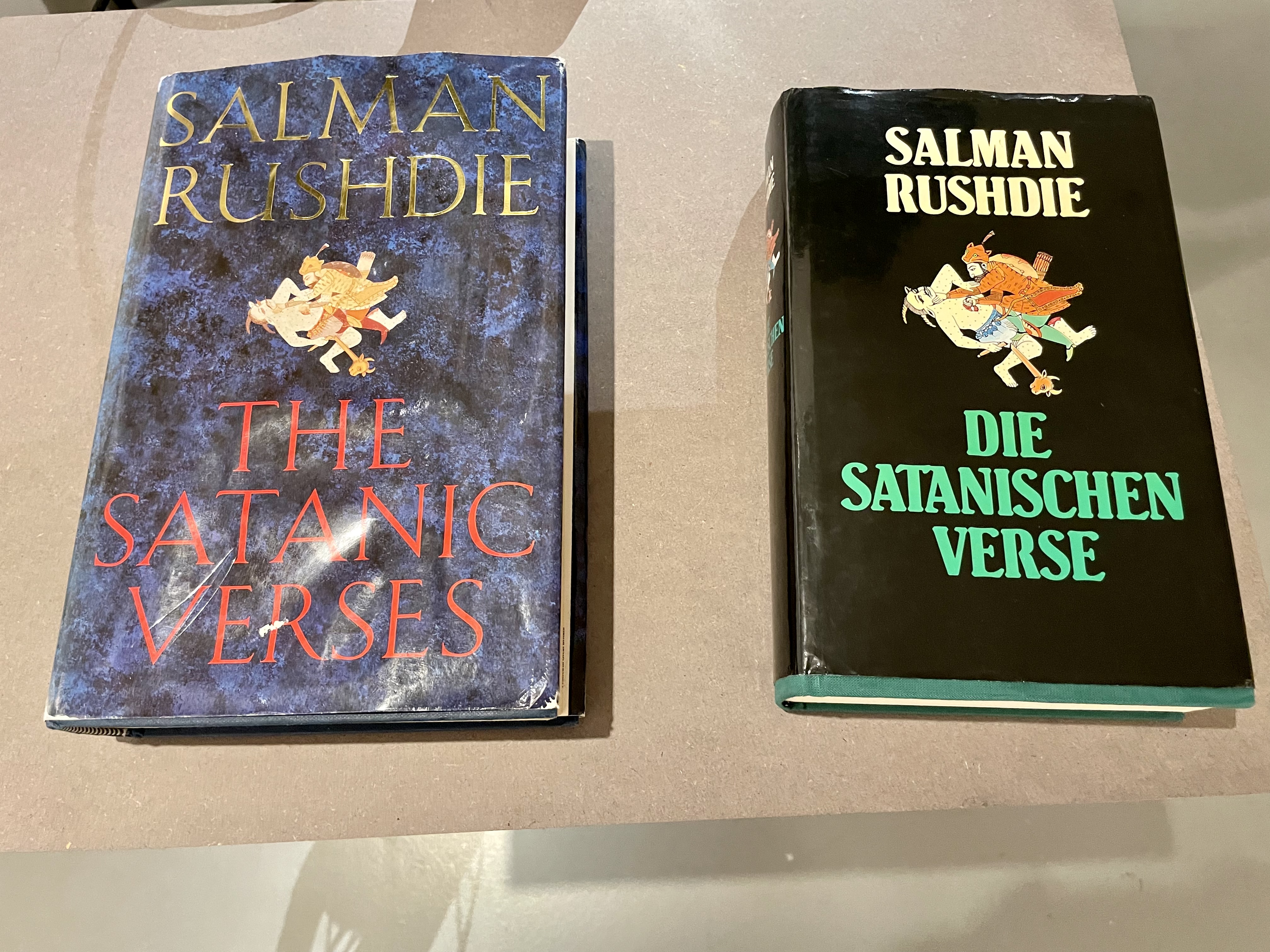
Als der britisch-indische Schriftsteller Salman Rushdie im Jahr 1988 seinen Roman «Die Satanischen Verse» veröffentlichte, führte die darin enthaltene Parodie auf den Propheten Mohammed zu einer Welle von Protesten und Empörung unter vielen muslimischen Gemeinschaften: Das Buch bediene antimuslimische Ressentiments, sei blasphemisch und beleidige den Koran sowie den Propheten. Es kam weltweit zu Bücherverbrennungen mit Tausenden von Demonstranten sowie einer Debatte über künstlerische Freiheit und Zensur. Das iranische Mullahregime forderte sogar die Tötung des Autors – er musste während neun Jahren unter Polizeischutz leben.

Im August 2022 holte die Geschichte Salman Rushdie wieder ein: Bei einem Vortrag im US-Bundesstaat New York wurde der 75-Jährige auf offener Bühne mit einem Messer attackiert und fast getötet. Daraufhin bekundete J.K. Rowling, die britische Autorin der Jugendbuchreihe «Harry Potter», Solidarität mit ihrem Kollegen. Auch sie wurde mit dem Leben bedroht: Seit 2019 äussert sich die 57-Jährige kontrovers zur Transgender-Debatte. Aktivist:innen und Kritiker:innen werfen ihr Transfeindlichkeit vor. Im Internet finden sich Videos, in denen ihre Bücher verbrannt werden – ähnlich wie Jahre zuvor, als ihre «Harry Potter»-Bücher wegen vermeintlich okkultistischer und satanistischer Inhalte den Flammen übergeben wurden.

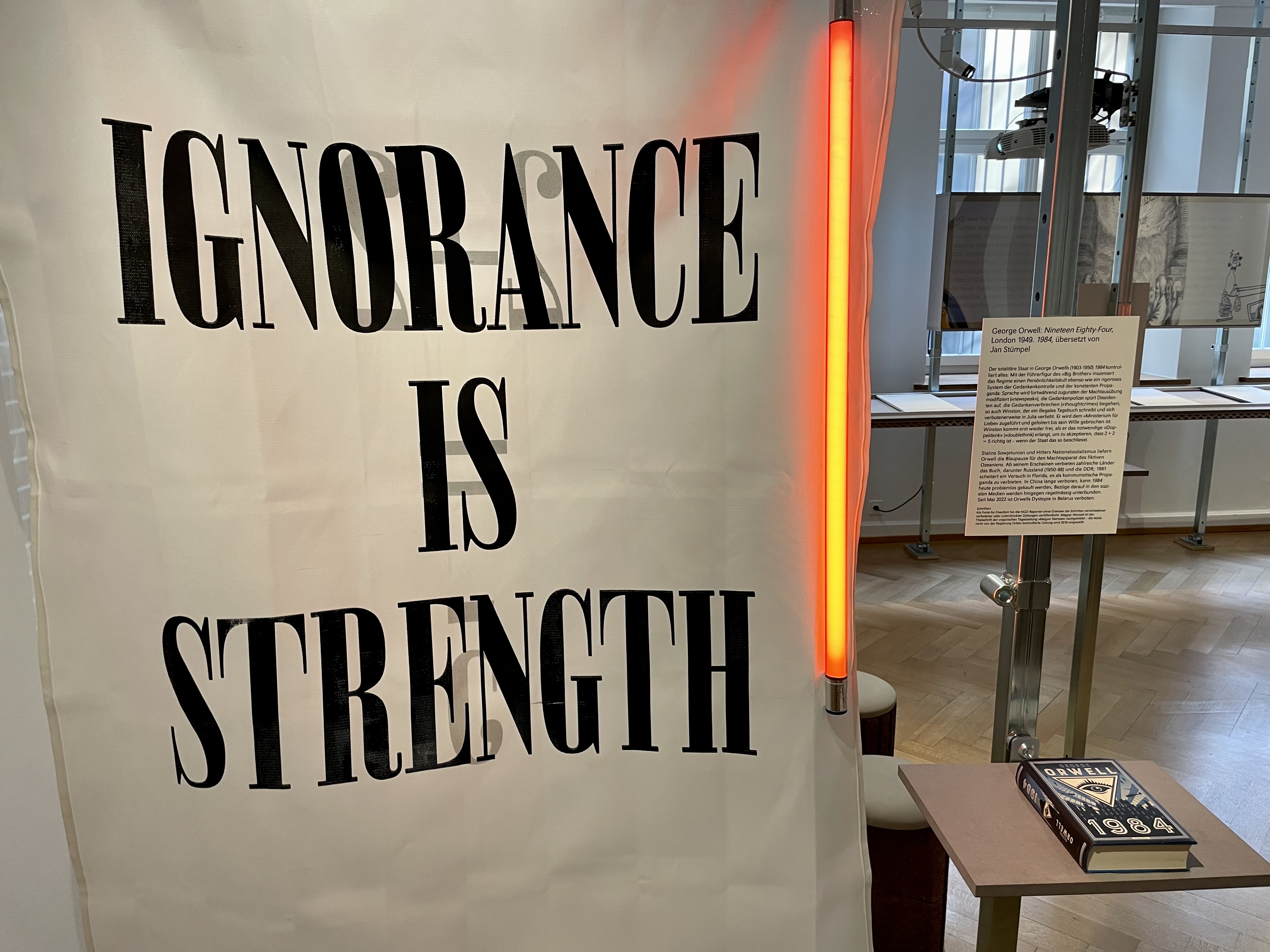
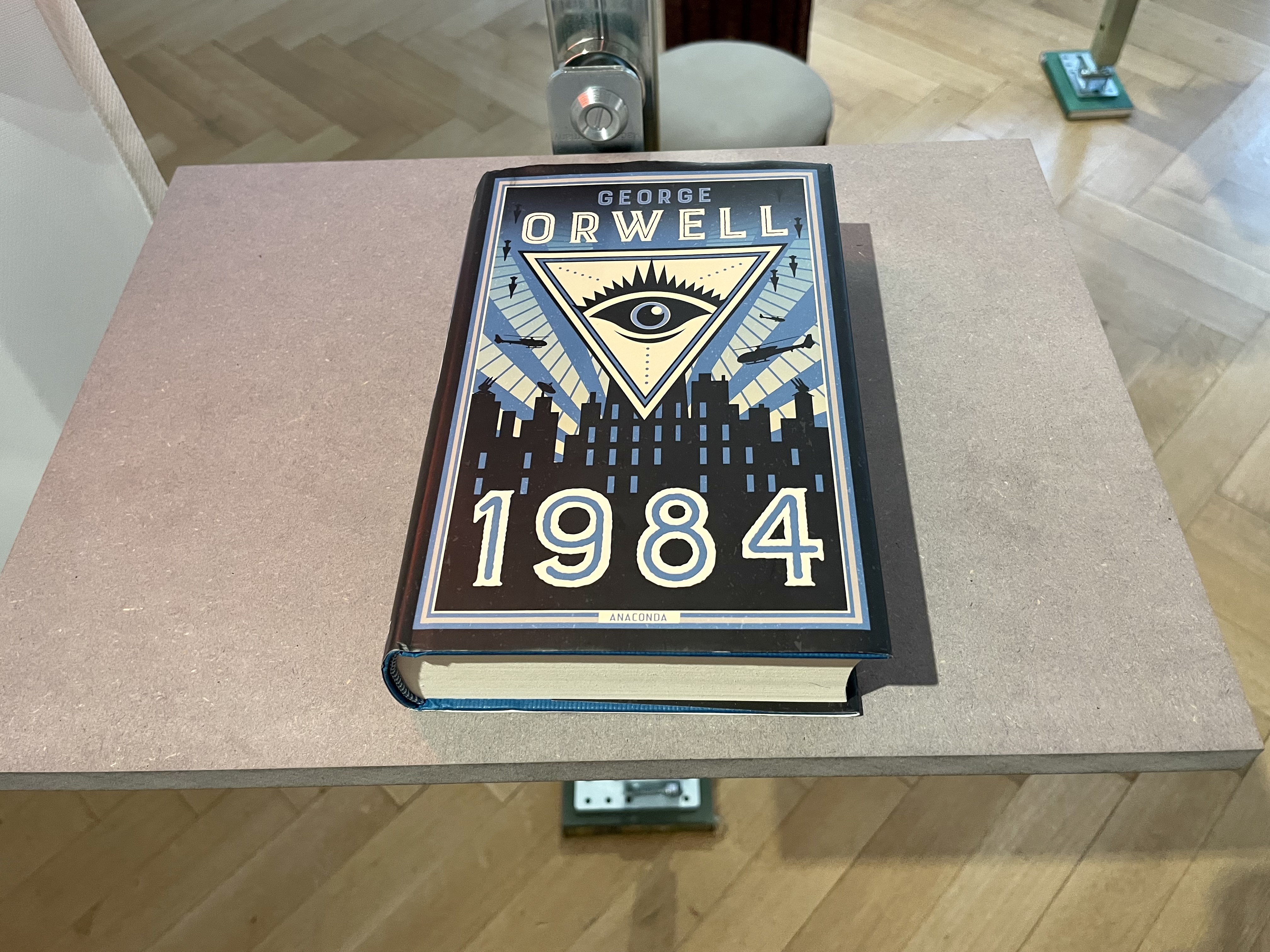
Sowohl die Geschichte Rushdies als auch Rowlings sind Gegenstand der Ausstellung «Satanische Verse & verbotene Bücher» im Museum Strauhof. Diese zeigt auf, wie Werke der Weltliteratur verfemt, verbrannt oder verboten wurden – oder werden. Aktuelles Beispiel ist George Orwells Werk «1984», welches vor einem Jahr in Belarus verboten wurde.

When the British-Indian writer Salman Rushdie published his novel "The Satanic Verses" in 1988, the book's parody of the Prophet Muhammad led to a wave of protests and outrage among many Muslim communities: The book was said to feed anti-Muslim resentment, to be blasphemous and to insult the Koran as well as the Prophet. There were book burnings worldwide with thousands of protesters and a debate about artistic freedom and censorship. The Iranian mullah regime even demanded the killing of the author - he had to live under police protection for nine years.


In August 2022, history caught up with Salman Rushdie again: At a lecture in the US state of New York, the 75-year-old was attacked with a knife on an open stage and almost killed. J.K. Rowling, the British author of the "Harry Potter" series of books for young people, then expressed solidarity with her colleague. She, too, was threatened with her life: Since 2019, the 57-year-old has been making controversial statements on the transgender debate. Activists and critics accuse her of transphobia. Videos of her books being burned can be found on the internet - similar to years before when her "Harry Potter" books were consigned to the flames because of alleged occult and satanic content.


Both Rushdie's and Rowling's stories are the subject of the exhibition "Satanic Verses & Forbidden Books" at Museum Strauhof. It shows how works of world literature were - or are - ostracised, burned or banned. A current example is George Orwell's work "1984", which was banned in Belarus a year ago.


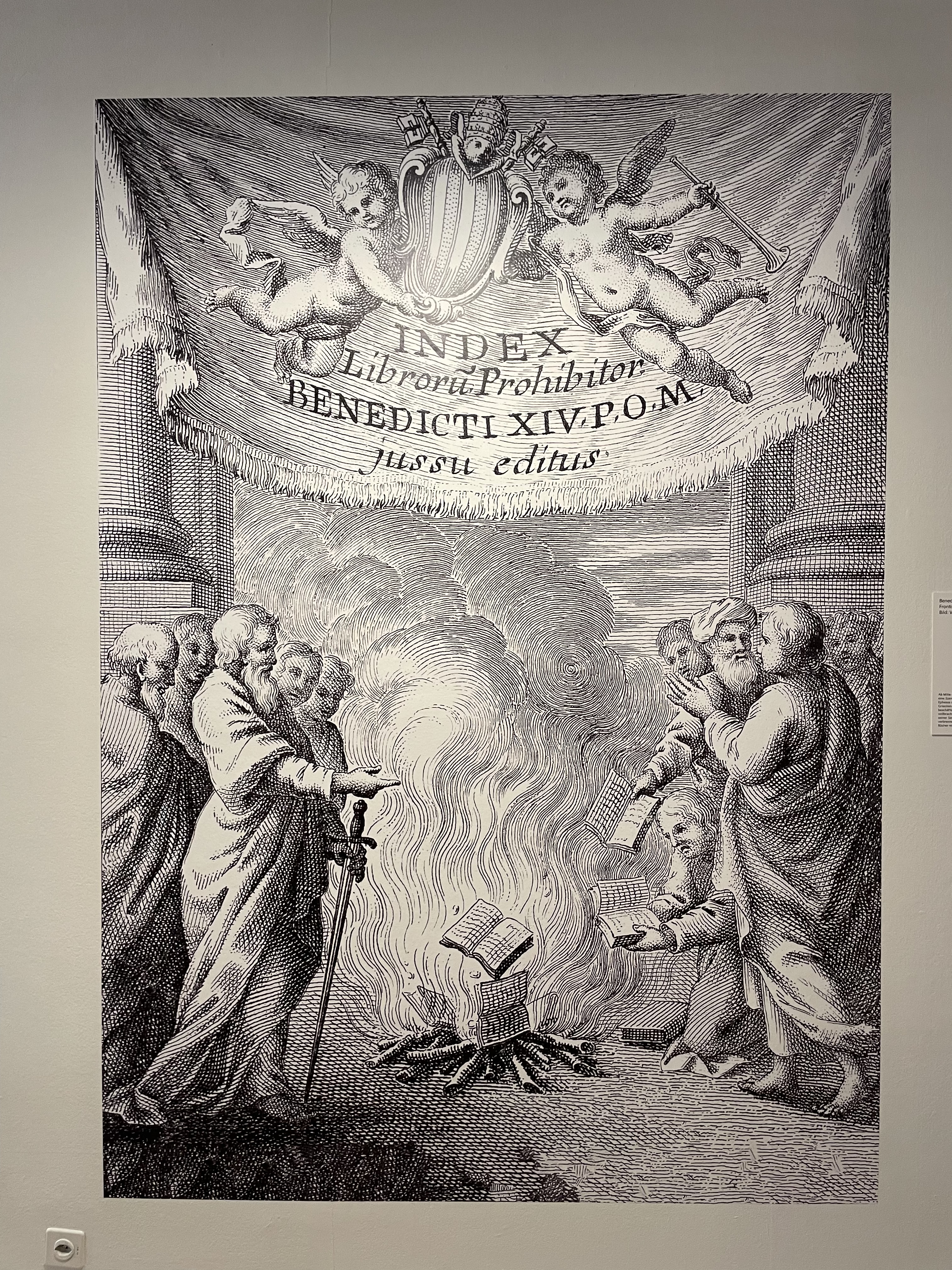
The content of the exhibition goes back to 1559, when the Roman Church launched the "Index librorum prohibitorum", a list of all books whose reading it considered heretical or threatening to its position of power. The "Index of Forbidden Books" was not discontinued until 1966. Among its last entries was the feminist work "The Second Sex" by Simone de Beauvoir.


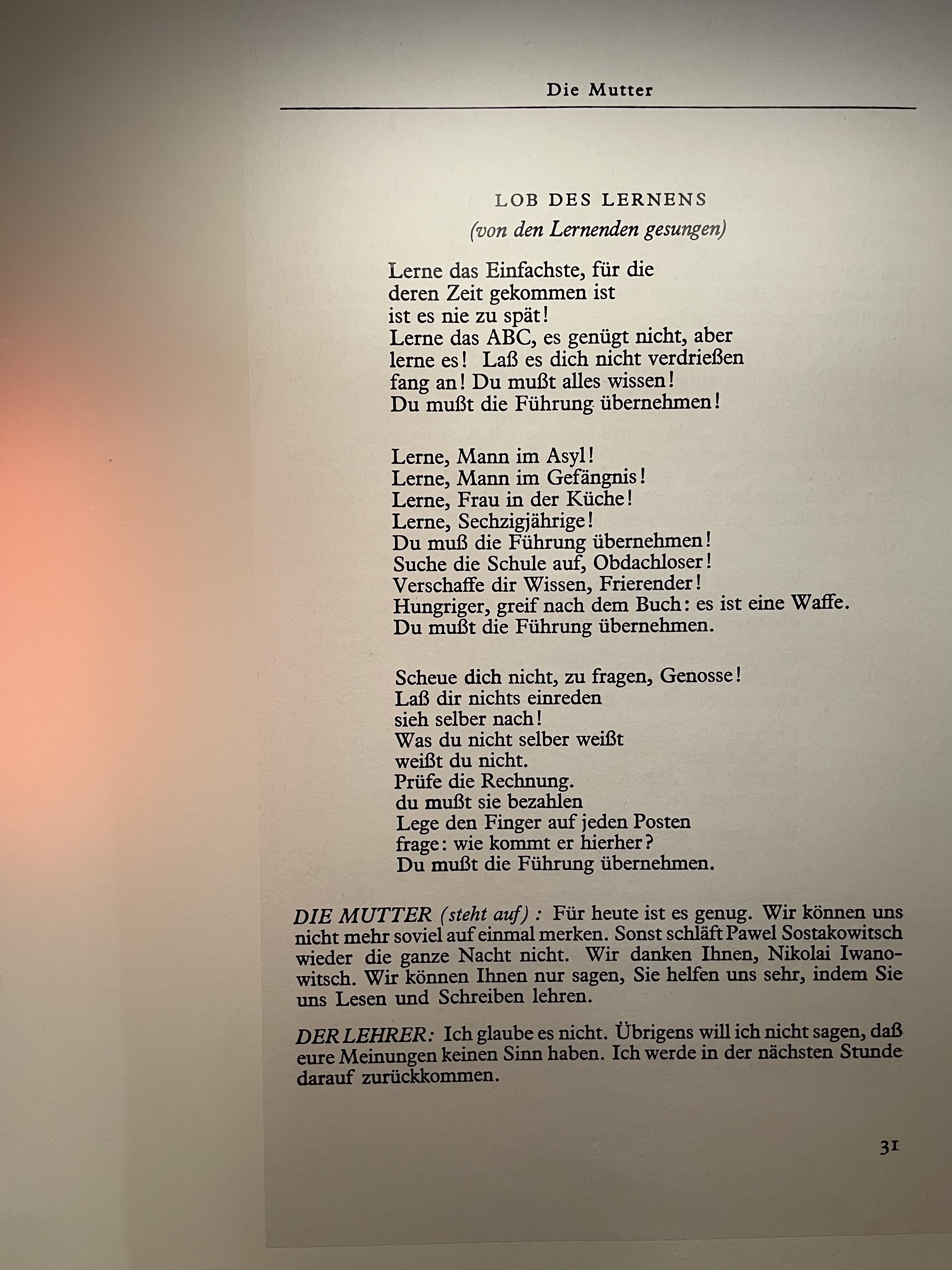
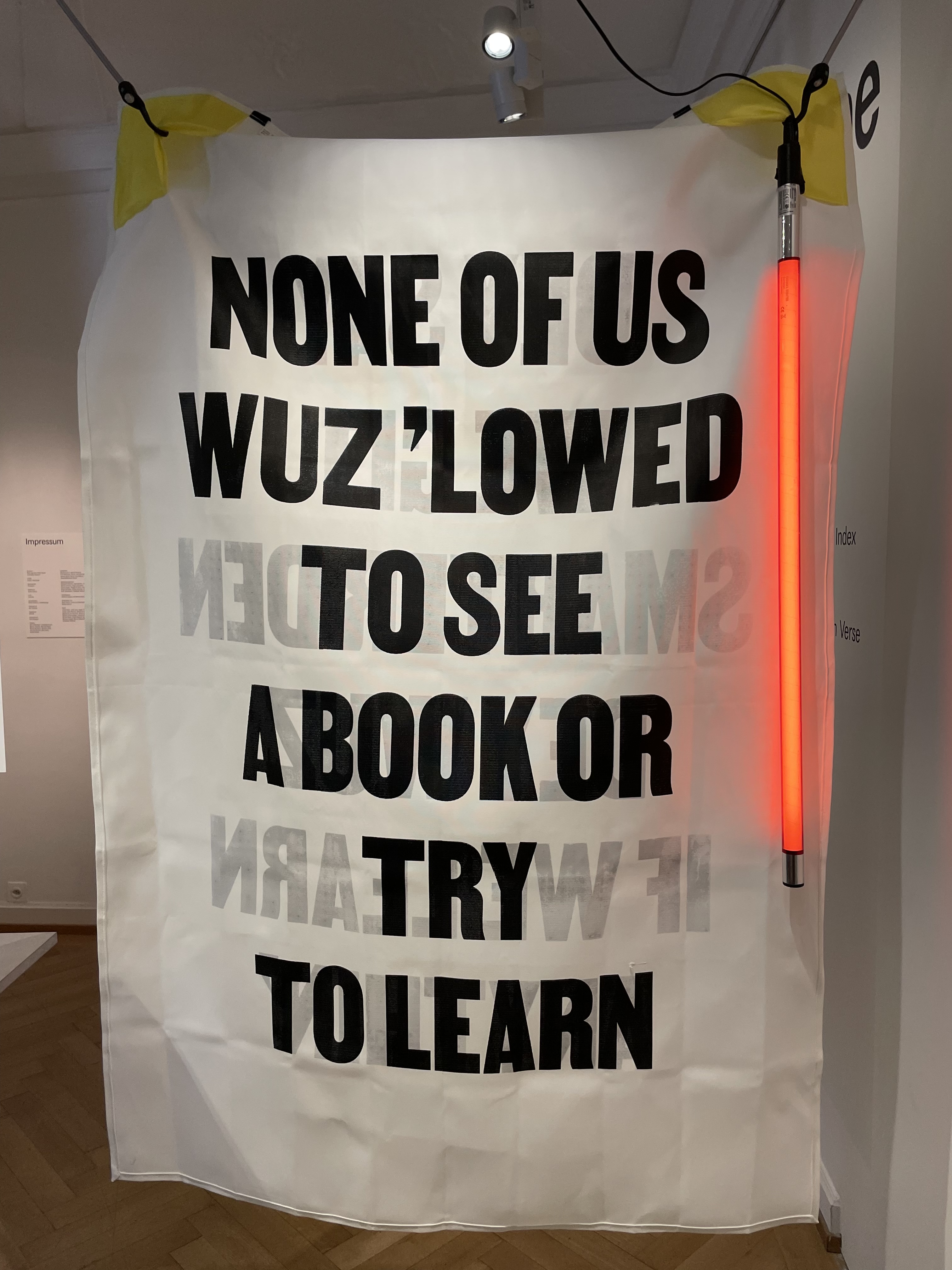
Later, governments also tried to control the distribution of books, for example because they perceived them as demoralising or a threat to the existing system. With selected quotations from affected works that deal liberally or even only subtly with topics such as adultery, suicide or paedophilia, the exhibition, which is divided into diverse chapters - including audio installations and film documentaries - offers material for lingering for hours.

Satanische Verse & verbotene Bücher

Strauhof

Satanische Verse & verbotene Bücher

Eine Ausstellung mit Geschichten aus und über Bücher, die verboten wurden.

Permanent exhibition

1933 und die Folgen

Strauhof

1933 und die Folgen

Gespräch mit dem Sammler Martin Dreyfus.

Published from Ilir Pinto on May 11, 2023.

More from our scouts

Theatre ABC, Act 2
19.01.2023

Theatre ABC, Act 2

Alles nur Theater? Eben nicht. Mit diesem Theater-ABC wirst du fit für die Bretter, die die Welt bedeuten.

My first time ... at the Bechtler Foundation in Uster
29.06.2023

My first time ... at the Bechtler Foundation in Uster

The Bechtler Foundation, which will open in May 2022, is located in the middle of the Zellweger Park area. It is on the one hand a spatial work of art and on the other hand art in open ...

Simone Liedtke
Simone Liedtke
He says | She says: Münzkabi - nice!
17.04.2025

He says | She says: Münzkabi - nice!

Das Münzkabinett Winterthur ist stolze Besitzerin von 63‘000 Münzen. Und natürlich auch einigen Tonscherben; das muss in jedem historischen Museum sein.

Rebekka & Sebastian
Rebekka & Sebastian

More from your scouts

Sandra Smolcic
Sandra Smolcic
Eva Cabañas
Eva Cabañas
Rebekka & Sebastian
Rebekka & Sebastian
Enno Rennenkampff
Enno Rennenkampff
Nicole Seipp-Isele
Nicole Seipp-Isele
Ron Orp
Ron Orp
All scouts