Childhood nostalgia interwoven with Ticino history

A visit to the exhibition "The Red Zora and the Black Brothers" will make the inner child's heart beat faster.

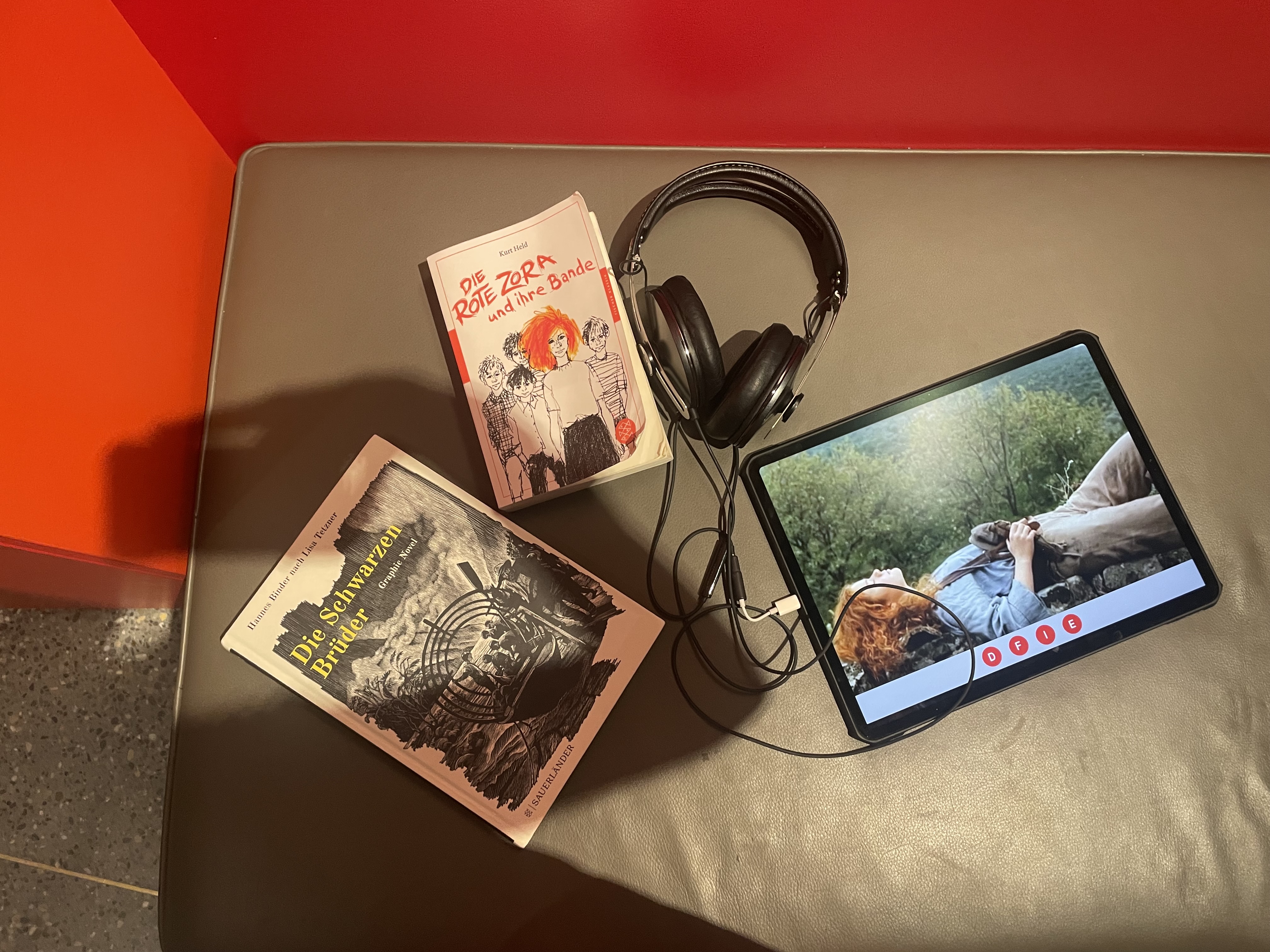
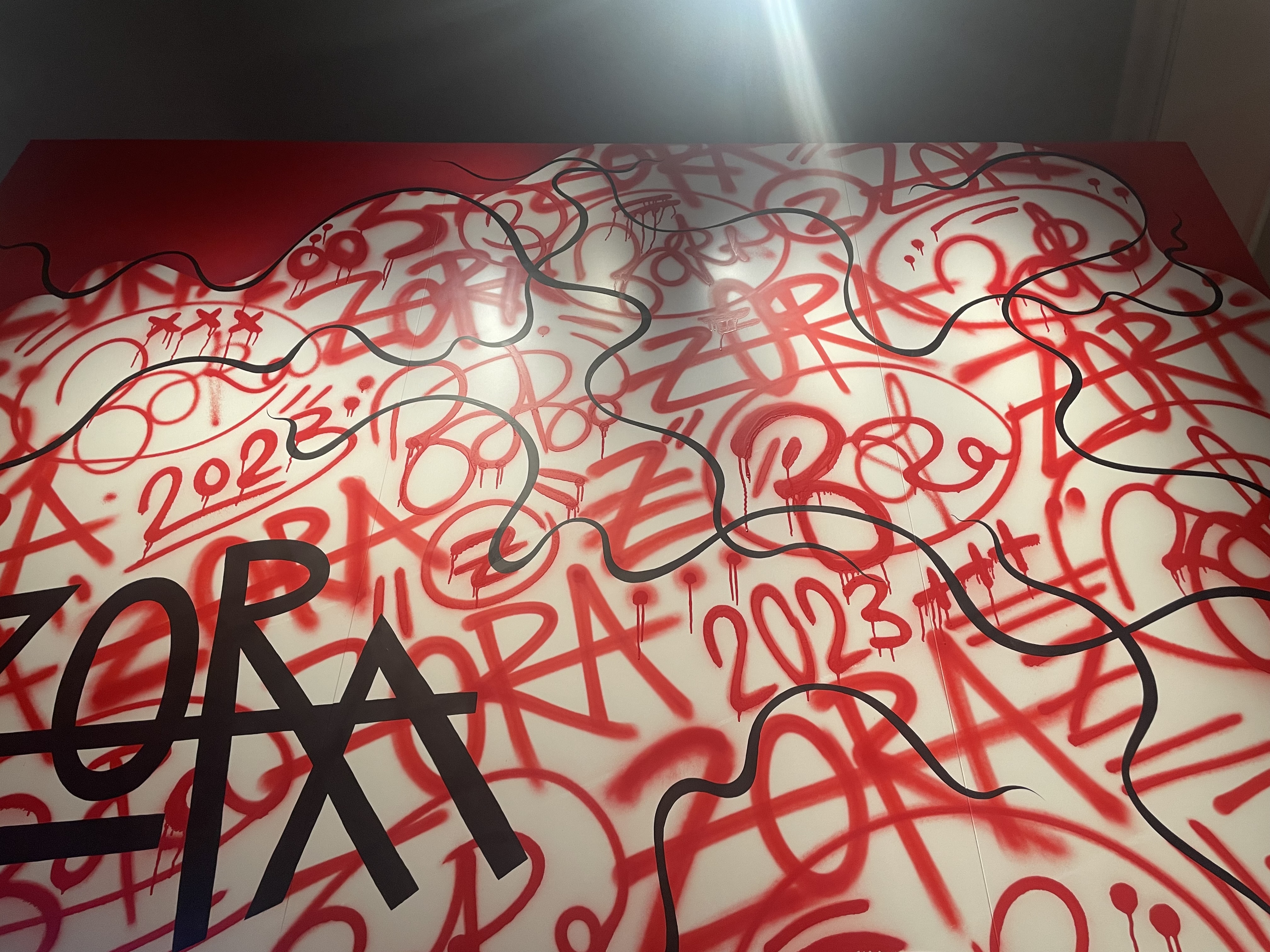
As soon as I enter the exhibition "Rote Zora & Schwarze Brüder" (Red Zora & Black Brothers) in the Landesmuseum Zurich, I sink into the world of Lisa Tetzner and Kurt Kläber: the author couple met a good 100 years ago and wrote books for young people together, some of which became world-famous. The most famous among them: "Die Rote Zora und ihre Bande". A book that also shaped my childhood. The red box dedicated to this book in the Landesmuseum triggers incredible joy and nostalgia in me. I particularly like the design sketches for the book cover, which has always been one of my favourite book covers.

With the help of texts, pictures and many original copies of the couple's letters and manuscripts, this exhibition immerses us in their life and work. In the process, we also learn a lot about the history of Ticino, where the couple spent and wrote a large part of their life together. Part of this history also inspired the book "Die Schwarzen Brüder" (The Black Brothers), another successful book by the couple.

In addition, we learn about the importance of Ticino before and during the Second World War for artists from all over the world and who else sought refuge there besides the Tetzner and Kläber couple. Among other things, it gives us an impressive impression of how writers were able to publish despite a ban on publication. Kurt Kläber had such a ban as soon as he emigrated to Switzerland. Therefore, he published "Die Rote Zora" under the pseudonym Kurt Held.

In addition to short and easy-to-understand information panels, there are also various video recordings, slide shows and my personal highlight; an interview with various people who bear the name "Zora" because of the novel. They tell how this book and the name have influenced them and who they personally consider to be Red Zoras (= courageous strong women). The feminist movement is also briefly addressed and what significance the name Zora plays there. For me personally, this topic could have been looked at in more depth.

On the other hand, I found the length of the exhibition and the different stations very accessible: it gives a good first insight and makes you want to learn more. Taking an hour to see it next month is worthwhile.

Published from Enno Rennenkampff on October 12, 2023.

More from our scouts

Lyn Bentschik on presence and vulnerability
19.02.2026

Lyn Bentschik on presence and vulnerability

“I’ve started to realise that it’s not at all about what you do, but rather about how
you do it.”

Coucou Kulturmagazin
A carpet of stories
09.10.2025

A carpet of stories

Take off your shoes, put on your headphones: at the Forum Zürich cemetery, you step into a colourful carpeted landscape and immerse yourself in the city’s history.

Soraja Hagspiel
Soraja Hagspiel
Literary highlights in late summer
03.09.2026

Literary highlights in late summer

From free thought and the origins of capitalism to women’s housing histories and literary abysses: a September seen from an unusual perspective.

Seraina Kobler
Seraina Kobler

More from your scouts

Kyros Kikos
Kyros Kikos
Soraja Hagspiel
Soraja Hagspiel
Eva Cabañas
Eva Cabañas
Eva Hediger
Eva Hediger
Susanna Koeberle
Susanna Koeberle
Tine Milz
Tine Milz
All scouts